
Latest News
Latest News

- Region: Europe
- Topics: Geothermal
- Date: Jan, 2025
GeoGrid, a project devised to explore the benefits and applications of geothermal energy within the UK, has been awarded £3.7mn in funding through the Ofgem Strategic Innovation Fund (SIF) to enhance energy efficiency and decarbonisation throughout the country.
Geosolutions Leeds will collaborate with Northern Powergrid, LCP Delta, E. ON Next, Leeds City Council and Star Refrigeration on the project in a bid to overcome the challenges presented by geothermal development and the energy transition, such as rising electricity demand, increasing costs and inefficiencies in the renewable sector.
Addressing demands
The GeoGrid project will use data from the University of Leeds’ Geothermal Campus living lab to further understand how long-term thermal energy storage can improve the UK energy system’s efficiency and sustainability as well as understand how the energy can be implemented on a bigger scale as a solution to the issues presented by the energy transition.
By integrating geothermal storage into the energy system, GeoGrid aims to lower network connection costs, reduce costly reinforcement and enhance grid resilience. The project will also aid in demonstrating how the interaction of geothermal systems with energy markets can strengthen the business case for district heating.
Dr Emma Bramham, Lecturer in Applied Geophysics and Structural Geology and GeoGrid Project Lead for the University of Leeds, said, “This innovative collaboration will use the University’s unique geothermal living lab facilities to explore new ways of improving energy system efficiency and sustainability.
“The ability to store excess renewable energy beneath the city’s streets will help make best use of green electricity resources and speed up the UK’s transition to net zero.”
- Region: Asia Pacific
- Topics: Geothermal
- Date: Jan, 2025
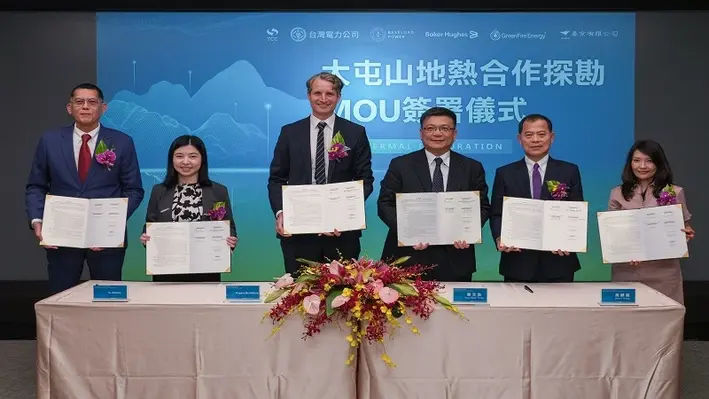
Like the majority of governments around the world, Taiwan’s is taking steps reduce its carbon footprint with a view to reaching net zero by 2050. Its strategic pathway to this goal is based on four major transition strategies in the form of ‘Energy Transition’, ‘Industrial Transition’, ‘Lifestyle Transition’, and ‘Social Transition’. These are flanked by two governance foundations of ‘Technology R&D’ and ‘Climate Legislation’ with a further ’12 Key Strategies’ to ultimately promote economic growth, drive private investment, generate green employment and achieve energy autonomy under the net zero umbrella.
- Region: Asia Pacific
- Topics: Geothermal
- Date: Jan, 2025
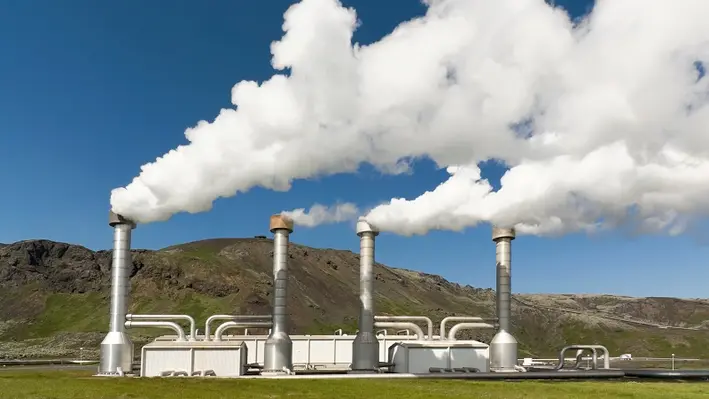
It is heating up in the land Down Under as an abundance of geothermal potential lies under the surface – potential that Google wants to harness in order to meet its 2030 energy goals.
- Region: North America
- Topics: Geothermal
- Date: Jan, 2025
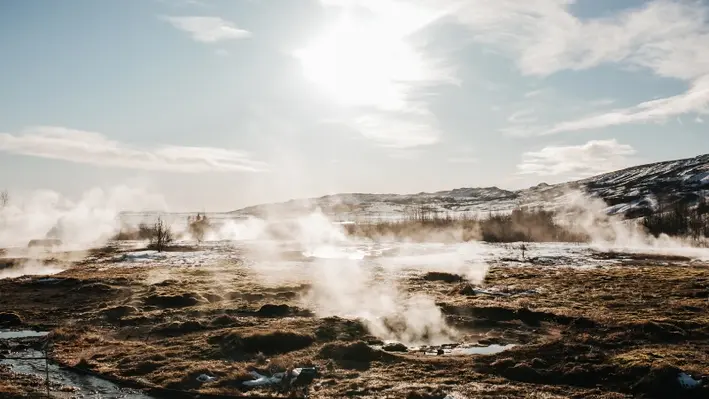
The world has an enormous untapped source of energy beneath its surface– geothermal energy. Using advanced technology, we could generate electricity by tapping into the heat stored in the Earth’s crust.
- Region: North America
- Topics: Geothermal
- Date: Jan, 2025
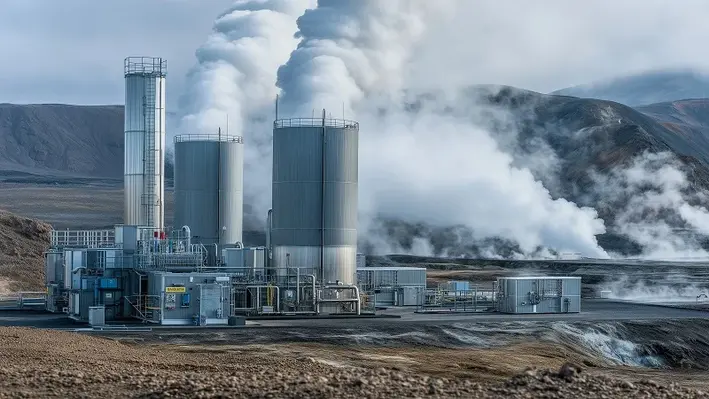
The U.S. Department of Energy (DOE) Advanced Research Projects Agency-Energy (ARPA-E) has announced a US$30mn programme to increase geothermal power production by unlocking superhot reservoirs deep within the Earth.
- Region: Europe
- Topics: Geothermal
- Date: Jan, 2025
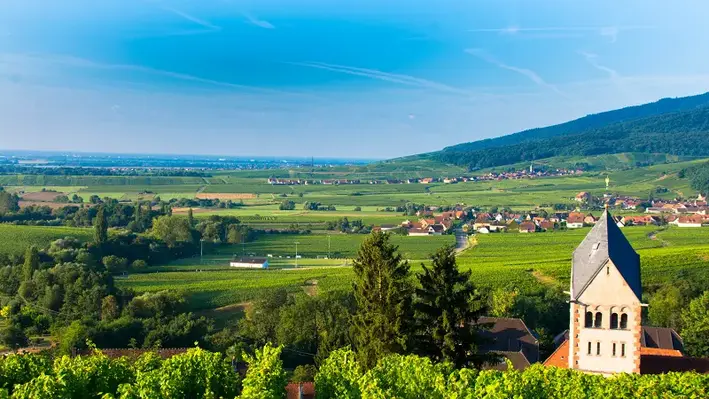
The French industrial company Arverne Group, who specialise in the production of renewable underground resources, announced earlier this month that its subsidiary, Lithium de France, has agreed to acquire wellheads from global technology giant SLB for its geothermal project in Alsace.
- Region: North America
- Topics: Geothermal
- Date: Jan, 2025
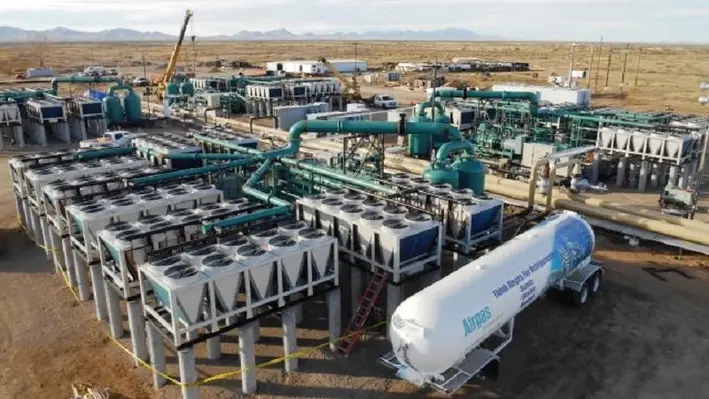
The Bureau of Land Management (BLM) has finalised a new categorical exclusion that will aid in the acceleration of new geothermal discovery on public lands.
- Region: North America
- Topics: Geothermal
- Date: Jan, 2025
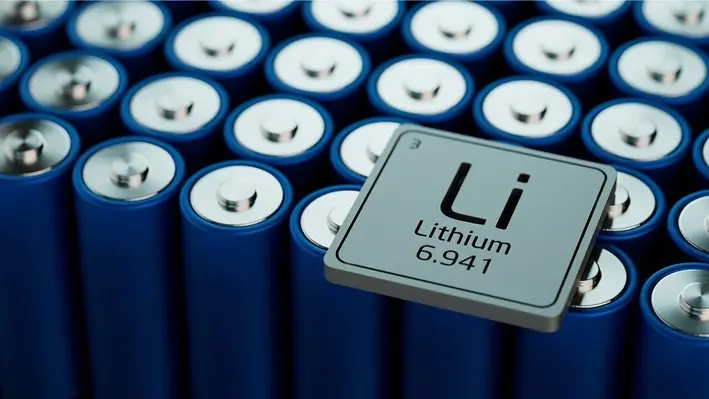
The US Department of Energy’s Loan Programs Office (LPO) has announced a conditional commitment to EnergySource Minerals LLC (ESM), via subsidiary SPV ESM ATLiS LLC (ATLiS) for a direct loan of up to US$1.36bn for the construction and operation of the ATLiS facility in Imperial County, California, which will produce lithium hydroxide from geothermal brine.
- Region: North America
- Topics: Geothermal
- Date: Jan, 2025
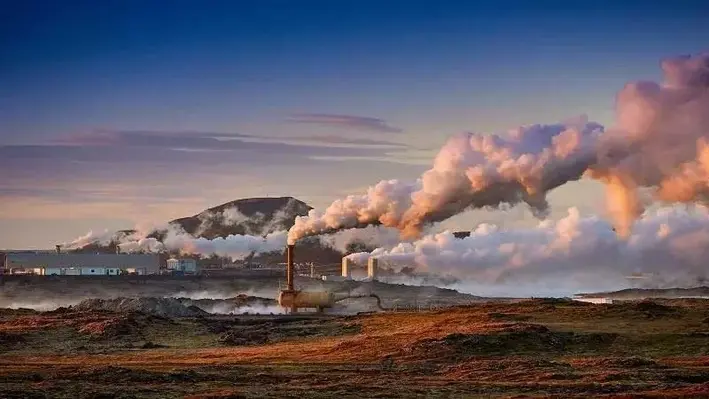
Driven by a commitment to work in partnership with indigenous communities to advance the clean energy transition, the Government of Canada has announced it will supply over CAD$2mn in geothermal funding.
- Region: North America
- Topics: Geothermal
- Date: Jan, 2025
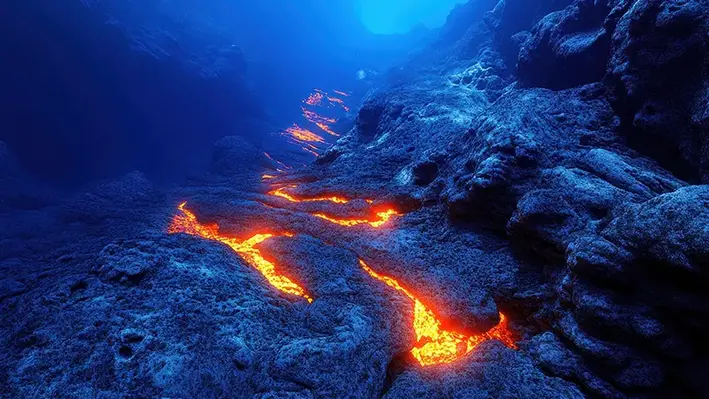
A hotbed of energy with frequent volcanic occurrences, the Clear Lake Volcanic Field (CLVF) in Northern California that extends 300 sq miles, is an ideal site for geothermal development.

- Region: All
- Topics: Geothermal
- Date: Jan, 2025
While solar and wind continue to primarily lead the global energy transition, new energies are also spicing up the mix, with geothermal gaining much traction. As administrations across the globe are announcing funding and studies on this area, its adoption is, however, still at a nascent stage.
- Region: North America
- Topics: Geothermal
- Date: Jan, 2025
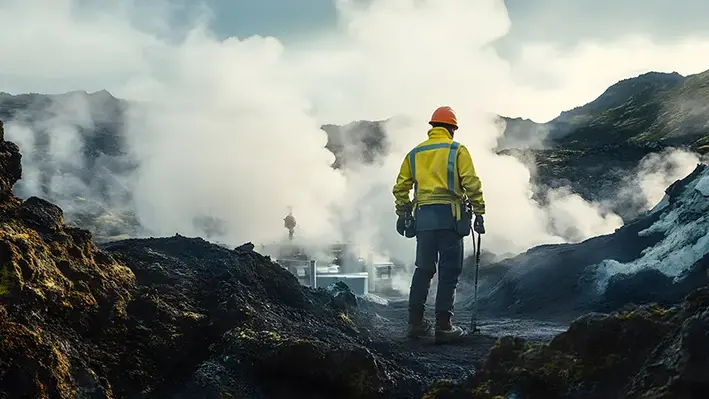
While geothermal developments in America have been in the picture ever since the 19th century, they were mostly driven by steam power. The recent ones are being increasingly capacitated by binary cycle, which means the heating of a secondary fluid to gear a turbine.