
Latest News
Latest News
- Region: Europe
- Topics: Geothermal
- Date: 21 August, 2025
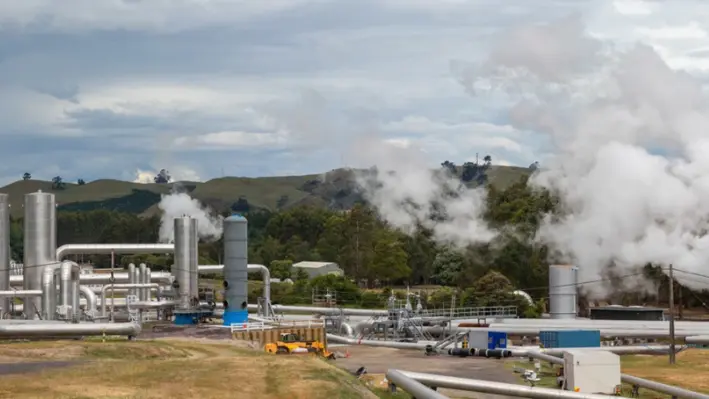
Earlier this month, 3t, an organisation specialising in safety-critical training for hazardous industries, announced a new collaboration with Aberdeen-based Robert Gordon University (RGU) to establish a Geothermal Simulation and Modelling Platform.
- Region: Europe
- Date: 20 August, 2025
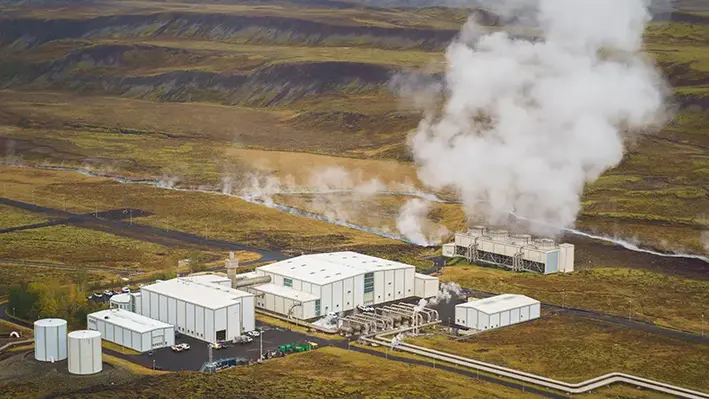
Geothermal energy is becoming increasingly important for Bulgaria’s energy future.
Expanding the use of geothermal power can reduce and potentially replace fossil fuels, especially when combined with other renewable sources. This shift will help Bulgaria build a modern, sustainable economy while creating jobs and developing skills that could position the country as a European leader in renewable technologies. It also supports Bulgaria’s long-term goal of reaching carbon neutrality by 2050.
The Bulgarian government has set an ambitious target to develop 400 MW of geothermal energy capacity by 2026, reflecting geothermal energy’s vital role in the nation’s transition to a low-carbon economy. Unlike other renewables, geothermal energy provides reliable, clean, and affordable base-load power without needing costly battery storage. Currently, over 80% of Bulgaria’s base-load power comes from fossil fuels and nuclear energy, so geothermal offers a valuable alternative that can reduce this dependency.
Geothermal energy comes from heat stored inside the Earth. Deep geothermal heat originates from radioactive decay and friction inside the Earth, causing underground temperatures to rise with depth, reaching thousands of degrees near the core. When hot rocks underground contain water, wells can bring that heat to the surface for various uses. Shallow geothermal heat, on the other hand, comes from the sun and is stored near the surface, maintaining a constant 10-15°C temperature just below ground.
In Bulgaria, underground temperatures increase by about 25°C to over 40°C per kilometre, meaning parts of the country could have geothermal sources hotter than 150°C at depths of 4,000 to 6,000 metres. These temperatures make it possible to use geothermal energy for heating greenhouses, fisheries, spas, district heating, industrial processes, and even electricity generation. Shallow geothermal heat, typically below 25°C, can be harnessed with geothermal heat pumps for efficient heating and cooling of buildings, saving up to 80% on energy costs compared to traditional systems.
Bulgaria’s geothermal potential varies across two main geological regions divided by the Stara Planina Mountains. The northern region has a large sedimentary basin with proven medium to high temperature resources, thanks to historic oil and gas exploration. The southern region consists of smaller basins and mountains, with geothermal potential suggested by numerous thermal springs, although deeper resources remain less explored.
Despite Bulgaria’s rich geothermal resources, development has been slow, mainly due to regulatory challenges. Over the past 30 years, geothermal use has grown by only 16%, and there are currently no geothermal power plants. Updating regulations to align with international best practices is key to attracting investment and unlocking Bulgaria’s geothermal potential quickly.
The Bulgarian Association Geothermal Energy is working to unite government, industry, and experts to support geothermal development. The government’s roadmap includes policy reforms, scientific studies, and pilot projects to demonstrate economic viability and encourage investment. Transitioning expertise from the oil and gas sector to geothermal development will also create jobs and new skills.
The path to a sustainable energy future in Bulgaria depends on collaboration and commitment to making geothermal energy an everyday reality. As the Bulgarian Association Geothermal Energy notes, “The journey will require significant manpower and specialist expertise,” but it offers a clear opportunity to build a cleaner, greener economy.

- Region: North America
- Topics: Geothermal
- Date: 19th August 2025
Enhanced geothermal energy is poised to power the future of Artificial Intelligence (AI), according to a new white paper by Fervo Energy.
AI requires huge amounts of energy, but is advancing faster than the power grid can support, which poses one of the central dilemmas to its ongoing roll-out.
Leading voices in the field now acknowledge that AI’s growth will be limited by the availability of reliable energy, the white paper notes.
In a 2025 Senate hearing, OpenAI CEO Sam Altman noted that “the cost of AI will converge to the cost of energy… the abundance of [AI] will be limited by the abundance of energy.”
According to Fervo Energy, the timing is becoming urgent.
Even conservative projections show electricity demand from data centres growing faster than new power generation can come online.
While some developers have turned to nuclear and natural gas to supply data centres with needed firm power — such as Microsoft’s restart of the Three Mile Island nuclear facility or ExxonMobil’s plans for new gas plants — those options face limits in availability, long timelines and supply chain constraints.
“The speed and scale of Enhanced Geothermal Systems (EGS) make the technology uniquely positioned to power data centres before 2030,” Fervo Energy notes.
The white paper goes on to outline the advantages of why EGS is a reliable, clean and scalable solution that can meet the gigawatt-scale power needs of modern data centres.
They include:
Economies of scale: Bigger data centre clusters require bigger power plants, offering a fit with EGS because cost per megawatt declines as project size increases.
Abundant resources: Reports from the National Renewable Energy Laboratory and the US Geological Survey identify hundreds of gigawatts of untapped EGS resource potential across the country.
Speed to market: Standardised, modular plant designs make it possible to complete projects in as little as 18 months.
Utah stands out as the optimal starting point for the first enhanced geothermal-powered data centre cluster, the company adds.
“The state has high geothermal resource potential, supportive permitting policies, and strong community and commercial engagement. Utah already hosts gigawatts of data centre capacity and is one of the fastest-growing tech hubs in the US.”
It is also home to the Department of Energy’s FORGE research site, three operational geothermal plants, and the site of Fervo Energy’s Cape Station, the largest EGS development in the world.
“By pairing EGS development with the rapid growth of data infrastructure, regions like Utah are positioned to deliver the reliable, clean, and domestic energy supply needed to support continued AI leadership,” Fervo Energy adds.
- Region: North America
- Topics: Geothermal
- Date: 18 August, 2025
AirJoule Technologies Corporation, a leader in atmospheric water generation, has announced plans to deploy its AirJoule system in Hubbard, Texas.
- Region: Europe
- Topics: Geothermal
- Date: 15th August 2025
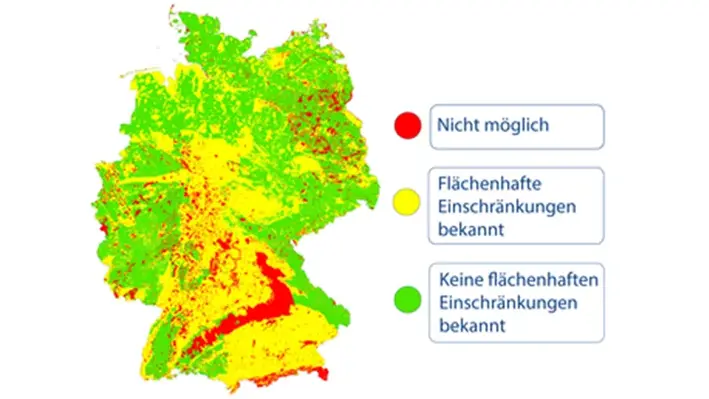
A new digital, interactive map documenting Germany’s geothermal energy potential, and possible locations, has been released.
The resource was developed through the WärmeGut research project under the direction of the LIAG Institute for Applied Geophysics (LIAG) in Hanover, with the Georg-August-University Göttingen (UGOE) and the company, geoENERGIE Konzept GmbH from Freiberg, in collaboration with all 16 geological state services.
It is now freely available in the Geothermal Information System GeotIS.
The project’s manager, Prof. Dr. Inga Moeck, hailed it as a “historic milestone” for geothermal research in Germany.
"Together with the project partners and the state geological services, we have succeeded in developing a digital map that meets both the individual requirements of the respective federal states and an easy-to-understand standardisation of the complex data situation.”
The Federal Ministry for Economic Affairs and Energy (BMWE) provided funding the project.
The map is based on a traffic light system with ‘green’ showing regions where geothermal probes can be used without restriction, yellow indicating limited usage opportunities, and red highlighting areas that are not eligible for use.
This simple system is intended to offer both specialist companies and private homeowners and municipalities a quick entry into geothermal energy and an uncomplicated orientation as to whether geothermal use is possible by means of probes or not.
The researchers expect the interactive map to grow interest in geothermal across the country and to help municipalities, cities and even households understand potential use cases and opportunties.
“Without geothermal energy, the [energy] transition cannot succeed,” said Moeck.
“We expect that this map will draw attention to geothermal energy as a measure in municipal heating planning and give a decisive boost to both the energy transition and scientific geothermal research.”
- Region: North America
- Topics: Geothermal
- Date: 14 August, 2025
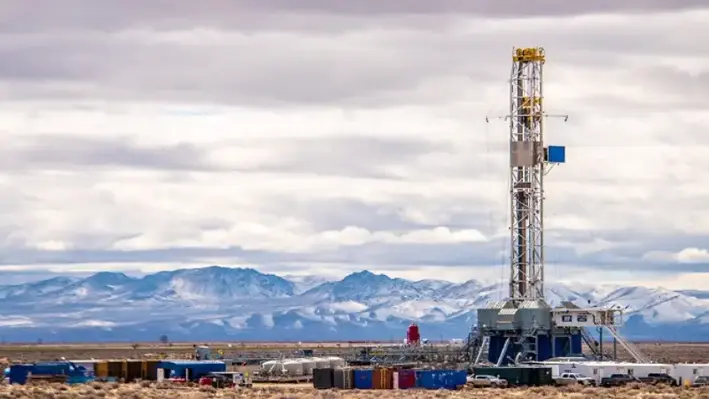
The Department of Defense continues to lay the groundwork for the deployment of new geothermal technology across military installations to support increase power generation.
- Region: Asia Pacific
- Topics: Geothermal
- Date: 13 August 2025
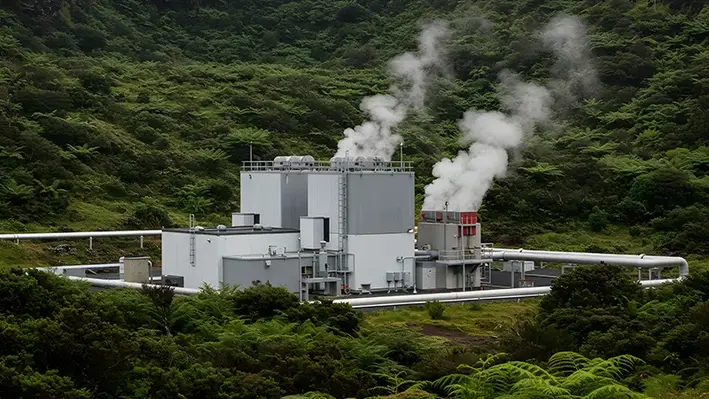
The global geothermal energy market is projected to grow from USD$9.81 billion in 2024 to USD$13.56 billion by 2030, registering a compound annual growth rate (CAGR) of 5.3% over the forecast period.
- Region: Europe
- Topics: Geothermal
- Date: 12 August, 2025
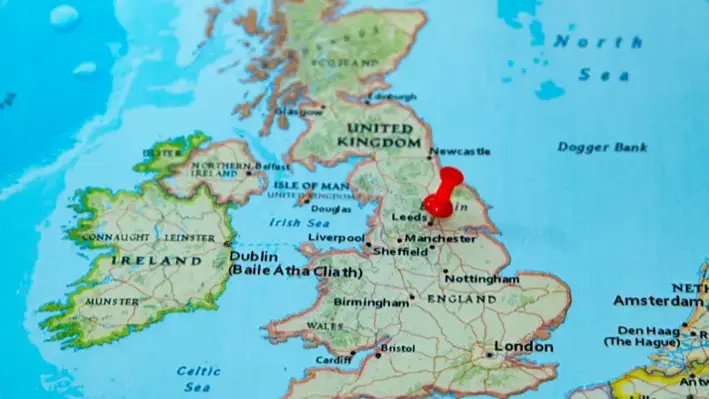
The British Geological Survey has launched the UK Geothermal Platform which provides both national and local-scale information about geothermal potential across the country.

- Region: Asia Pacific
- Topics: Geothermal
- Date: 11th August 2025
New Zealand’s Energy Efficiency & Conservation Authority (EECA) and the New Zealand Geothermal Association have jointly launched a new guide on how businesses can use geothermal heat for smarter heating and cooling.
The geoheat business guide highlights the nation’s geothermal resources and the technology options available to businesses.
These range from direct use of geothermal fluid for process heat to advanced ground source and high-temperature industrial heat pumps, which can supply up to 200–280 °C.
The new report also covers the full development process, from feasibility studies to installation and maintenance.
It also provides an overview of regulatory and consent requirements under the Resource Management Act (RMA), and includes case studies showing proven applications that have cut energy costs and improved operational efficiency.
In a foreword to the report, Kennie Tsui, Chief Executive of the New Zealand Geothermal Association, highlights how the country is “blessed” with an abundance of renewable geothermal energy.
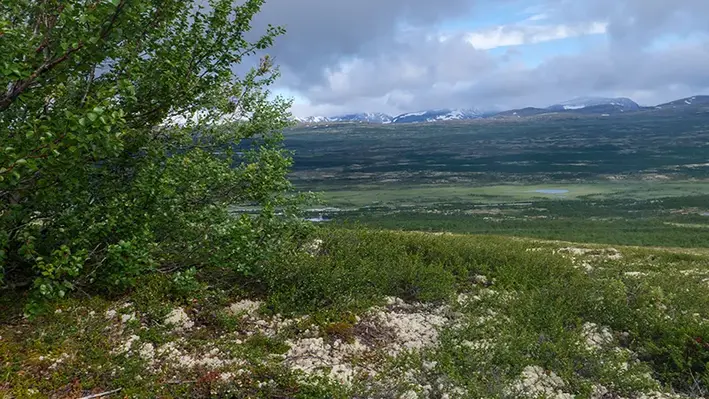
The most familiar of these are the high-temperature geothermal resources (exceeding 150°C) that are located primarily within the Central North Island’s volcanic region and at Ngāwhā in Northland, which have been extensively used for electricity generation and industrial direct use for over 70 years.
The new business guide, Tsui notes, “focuses on the less familiar but equally beneficial” temperatures from 150°C down to 10°C that are present at the lower end of the geothermal spectrum.
“In fact, at the lower end of the geothermal spectrum, shallow ground temperatures are influenced by solar radiation and are about 2°C above average air temperature. This means that geothermal is available everywhere. Across the country this ranges from about 10°C in the south and alpine areas to 18°C in the far north. These temperatures can be used for heating and cooling with a geothermal or ground source heat pump.”
The report highlights how proven technologies can meet a wide range of temperature needs for a variety of industrial applications and related uses.
Case studies — including Christchurch Airport, which uses 13–14°C groundwater with heat pumps for efficient building heating and cooling — also demonstrate measurable operational cost reductions, improved efficiency and reliable heat supply.
“Unlike solar or wind, geoheat provides a round-the-clock, weather-independent heat source, critical for industries with baseload heating needs,” the EECA notes in its introduction to the report on its website.
“This reliability reduces exposure to energy supply volatility and peak electricity demand charges.”
- Region: North America
- Topics: Geothermal
- Date: 8 August, 2025
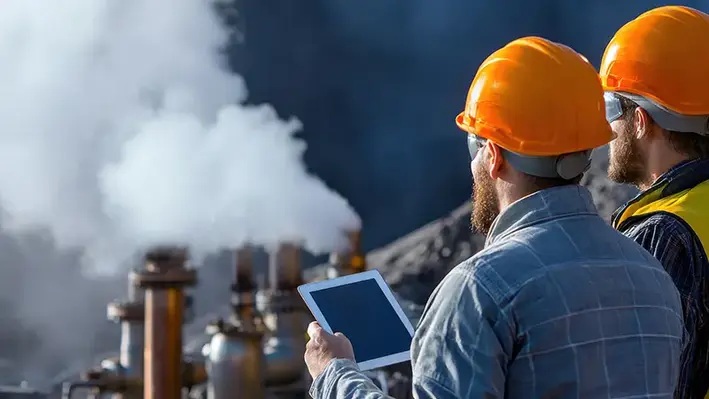
In a recent LinkedIn update, Ignis H2 Energy Inc. announced that Chugach Electric Association, Alaska’s largest electric utility, has issued a non-binding Letter of Interest (LOI) to pursue a potential Power Purchase Agreement (PPA) for up to 200 megawatts of baseload geothermal power.
- Region: Asia Pacific
- Topics: Geothermal
- Date: 7 August, 2025
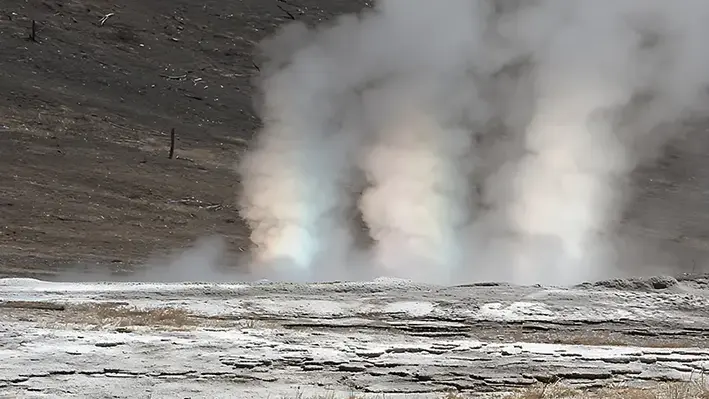
Japan Oil, Gas and Metals National Corporation (JOGMEC) has embarked on its first overseas geothermal research project in partnership with PT Geo Dipa Energi (GDE), marking a significant milestone in its geothermal business activities.
- Region: North America
- Topics: Geothermal
- Date: 6 August, 2025
Next-generation geothermal energy may soon be a cost-competitive way to fill the need for clean, firm power in the USA, according to a new report by McKinsey & Company.
It estimates that around US$900mn in private capital has been channeled toward next-generation geothermal technologies and projects in the past five years.
However, anticipated cost decreases — coupled with the urgent and growing need for additional power supply — may draw even more attention to the sector in the coming years.
“Our analysis suggests that more than 780 megawatts of letters of intent and power purchase agreements (PPAs) have been signed over the past two years, and approximately one gigawatt of next-generation geothermal projects is in various stages of development,” McKinsey notes in the report.
The document also singles out two next-generation approaches closest to market: Enhanced geothermal systems (EGSs) and Advanced closed-loop systems (ACLs).
EGSs use hydraulic fracturing to create subsurface fractures through hot rock three to five km below the surface.
Water injected into a well absorbs heat while traveling through the fractures and exits through another well to the surface where the heat is converted to electricity.
ACLs create a radiator-like, closed-loop system of horizontal wells filled with fluid.
These loops are deeper in the ground — four to eight km — potentially increasing the cost relative to EGSs.However, having a closed loop reduces overall water demand, which could boost feasibility in arid regions.
Most importantly, McKinsey notes, industry costs could drop significantly in the next decade.
“Improvements in technology derived from unconventional oil and gas drilling have combined with growing energy demand to push next-generation geothermal from a niche option to a cost-competitive choice in some areas, with strong potential to become cheaper over the next decade,” the report states.
It estimates that levelised production costs for a first-of-a-kind, commercial-scale (more than 50 megawatts) next-generation geothermal facility in the US could range from US$75 to US$120 per megawatt-hour.
Exploration, drilling, and power plant capital expenditures make up more than 70% of costs.
But by 2035, costs of next-generation geothermal technology in the US could fall to about US$45 to US$65 per megawatt-hour, according to the report.
“Although other clean-energy sources will also experience cost decreases over the same period, we expect next-generation geothermal to outcompete other sources of clean, firm power,” McKinsey notes.